
Where the robot says hello: the Karlsruhe museum x as a laboratory of the future
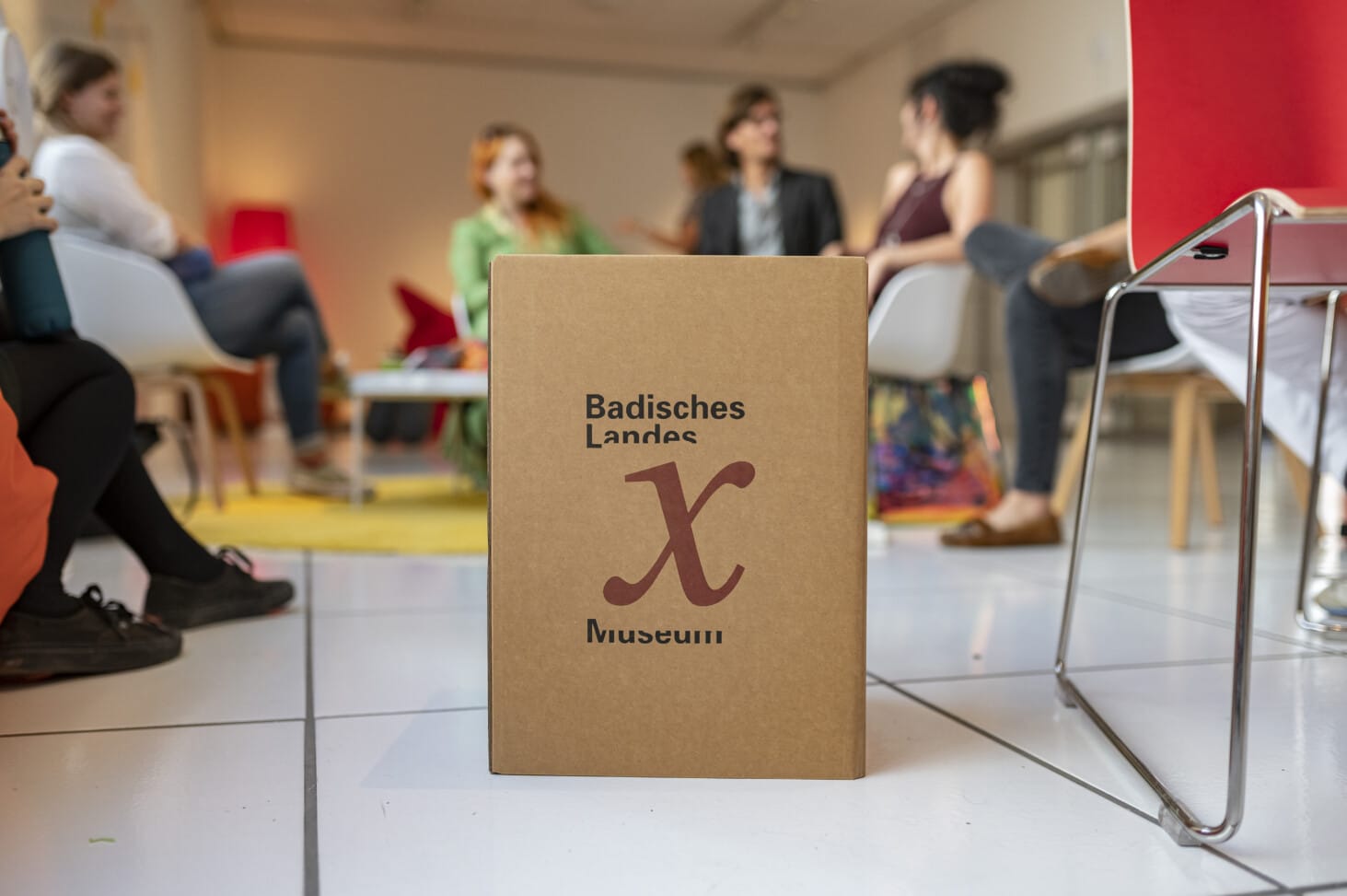
“Hello, how can I help you?” Xaver welcomes his guests with a friendly voice on the first floor of the museum near the market. If you like, Xaver will also provide you with information about the new permanent exhibition. Xaver is also always available for a quick chat. But Xaver is not a human being. Xaver is a robot and one of the main attractions of museum x, a branch of the Badisches Landesmuseum in Karl-Friedrich-Strasse 6 north of the market square. Above all, museum x is a multimedia lounge for communicating. There are plenty of connections for laptops and other multimedia work equipment at the large work tables, free Wi-Fi and armchairs and chairs that invite you to linger. And just like Xaver, the staff of the Landesmuseum are available for a chat about the museum concept.
Test area and Experimental field for museum formats
The museum x is a test area and experimental field for future digital museum formats, emphasizes Johannes Bernhardt, head of the Creative Collections project at the Landesmuseum. The space can also be booked for events. “We are guided by the wishes of the public,” explains Bernhardt. Thanks to its digital infrastructure, museum x is just as suitable for LAN parties as it is for lectures and networking events on digital topics. A hackathon has also already been held at museum x. With the concept of an open communication and work space, the initiators of museum x were inspired by various open space concepts. One such example was the Karlsruhe exhibition Open Codes at the ZKM I Center for Art and Media. There, an exhibition about data was coupled with open spaces in which visitors could linger in the work area with free admission and snacks.

Inspired by the Smithsonian Institution
The museum makers were inspired by the Smithsonian Institution in the US capital Washington DC to use a robot as an all-knowing museum guide. A whole armada of fully automated guides is already in use there. However, the robots are not intended to replace the museum’s human staff in the future either. Rather, the aim is to sensitize people to the use of robots in everyday life through direct contact with a talking machine, says Bernhardt. The museum x is also a testing ground for the use of innovative technologies and an interface between humans and machines.
Robots as museum guides and care staff
Xaver is a robot from the Pepper series. These were developed by the French company Aldebaran and the Japanese medical technology company SoftBank for use in the care sector. The communication robot is around 1.20 meters tall and has a face with large eyes. The external appearance of the assistant robot is also deliberately childlike and friendly. The reason for this is to encourage those in need of care to trust Pepper and make contact with the robot. The childlike appearance of the fully automated helper helps to reduce inhibitions more quickly. Models like Xaver speak over 20 languages and can converse with their human counterparts. The care robots pose no danger to humans. Among other things, this is ensured by programming according to the so-called robot laws, which the Soviet science fiction writer Isaac Asimov laid down in his short story “Runaround” back in 1943. These are as follows: A robot must never injure a human being or allow a human being to be harmed through inaction. A robot must obey the commands given to it by a human being. Unless such a command would conflict with the first law. A robot must protect its existence as long as this protection is compatible with the first two laws.

Picture: Badisches Landesmuseum
Retro charm with Tetris and Pac-Man
Gaming is also allowed at musem x. And not just on the computer you brought with you, but also on the two arcade games from the 1980s. With “Tetris” and “Pac Man”, two of the absolute classics of the video game industry have been brought into the house. The two massive machines exude retro charm and invite you to travel back in time to the early days of the computer games industry. Even after 35 years, the stacking of the seven different geometric shapes, each made up of four squares, is just as appealing as the battle between the voracious Pac-Man and four colorful ghosts.
Working together on the museum of the future
Whether retro games or modern robots – museum x wants to offer a platform for thinking about the museum of the future. With events and open spaces in the heart of the fan-shaped city, ideas are to be spun together and dialogs conducted in this test field. At museum x, the museum of the future will be driven forward and worked out together with future visitors.

©ARTIS-Uli Deck // Badisches Landesmuseum Karlsruhe