
Ephraim: A School in Karlsruhe Is Building Its Own AI

At Lessing High School in Karlsruhe, students are developing an AI system that runs entirely within the school building and does not share any data with external providers. Following a penetration test that revealed no serious vulnerabilities, Ephraim is set to be used in the classroom for the first time. This is made possible by a network of Karlsruhe-based security firms, foundations, and experts—a network that hardly any school could build on its own.
An AI that never leaves the school building
Anyone who learns using common AI chatbots shares data with every question they ask. This is a real problem for schools. They must be able to explain where texts are processed, how long they are stored, and who has access to them. That’s why the Lessing Gymnasium in Karlsruhe is simply building its own AI. The project is called Ephraim, named after the school’s namesake, Gotthold Ephraim Lessing.
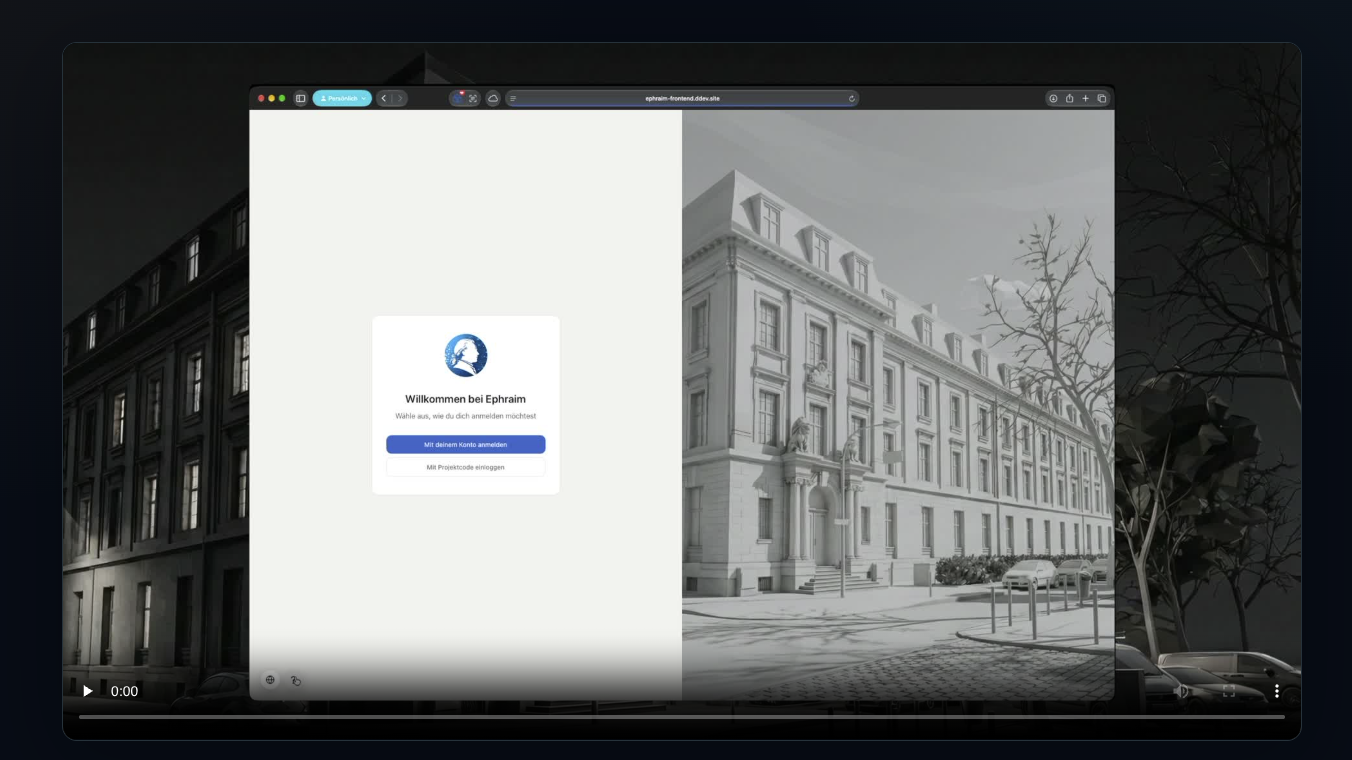
Ephraim explains school material, works through math problems step by step, plots function graphs, and answers questions. The language model runs on a dedicated computer in the school building—an NVIDIA DGX Spark—whose purchase was funded by the HOPP Foundation. The system stores private chats, files, and notes in encrypted form; teachers cannot view them, and no conversation is used to train the model. Ephraim does not assign grades. Pedagogical responsibility remains with the teachers.
Six students and one teacher
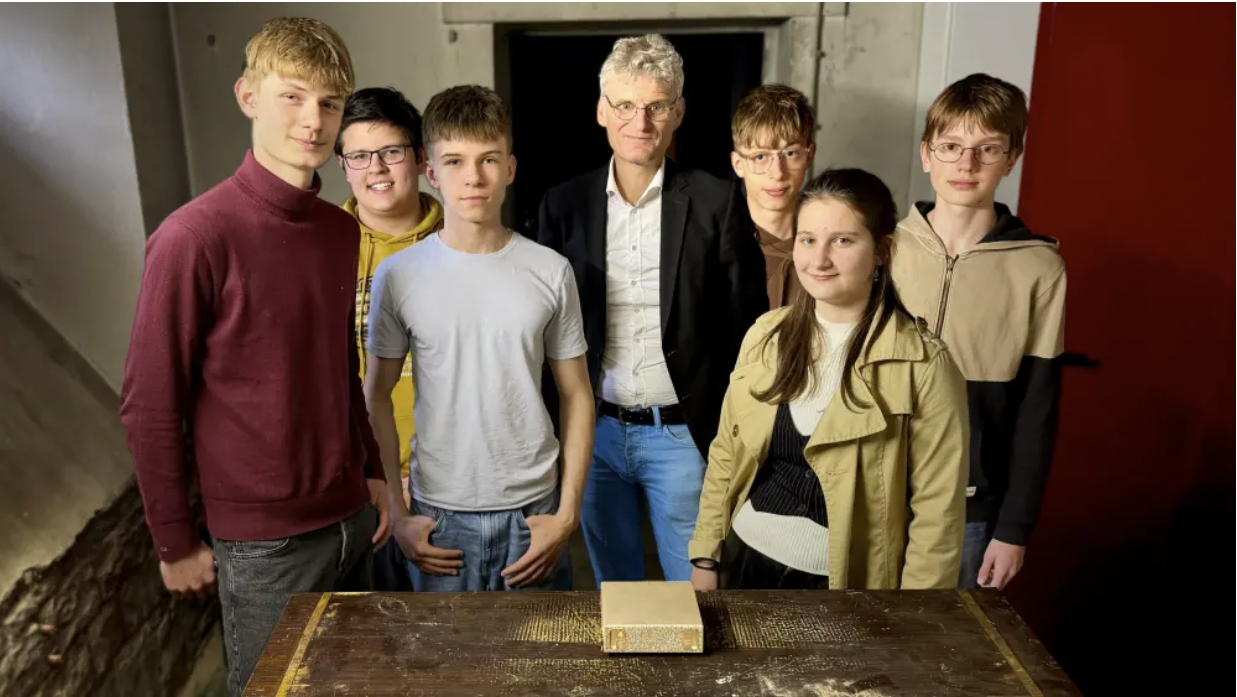
Ephraim was created in the school’s “Tinkering & Research” club. Development began in late January 2026, and today six students between the ages of 14 and 17 are working on the system. Two are programming it, while four are thoroughly testing it from the perspective of its future users. Teacher Dr. Daniel Roth leads the project. The older students are responsible for key parts of the development, while younger students are gradually taking on more tasks. This ensures that the knowledge remains at the school, even after the original developers have graduated from high school.
Technically speaking, this is much more than just a chat window. A web server at the school first verifies the user’s login and permissions and only then sends a strictly limited data packet to Spark. The server is located in an isolated network segment, does not use open Internet access, and does not store requests permanently.
Security as an Ongoing Task
A school AI system that handles personal data must be more robust than a hobby project. That’s why the team had Ephraim reviewed by local professionals early on. dmTECH, the IT subsidiary of dm-drogerie markt, scrutinized the architecture, while the Karlsruhe-based consulting firm Secorvo examined the encryption. In addition, there was a consultation with a representative from the State Data Protection Commissioner’s office, and the Karlsruhe-based security firm aramido conducted a targeted penetration test on the system. They identified two medium-risk issues but found no high-risk or critical vulnerabilities. Secorvo and aramido provided their services free of charge.
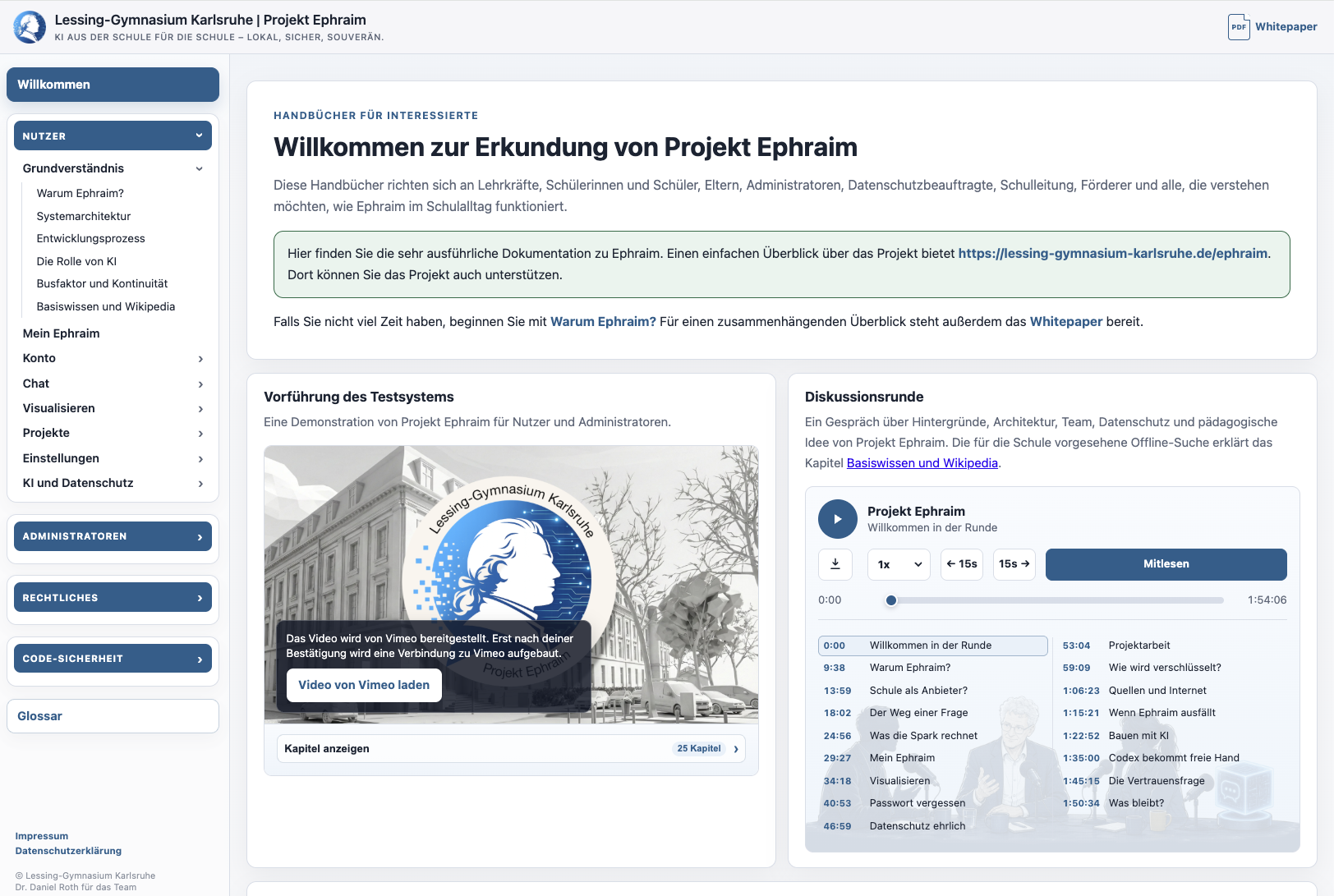
At the same time, the team itself relies on AI to find vulnerabilities. In early November, it ran an offensive security model on Ephraim that searches for vulnerabilities from an attacker’s perspective. Every finding undergoes an independent cross-check, and the project openly documents its status online. The project itself emphasizes that none of this replaces a security certification. It is precisely this openness that lends credibility to the approach.
Attention Beyond the School
Their work has not gone unnoticed. The *Badische Neueste Nachrichten* ran a story about Ephraim in October, and a reader’s story appeared on ka-news. The “Future of Learning” unit at the Baden-Württemberg State Media Center provided detailed feedback and invited the team to write a professional article. For the “Verein(t) für gute Kita und Schule” (United for Good Daycare and Schools) award from the Education Foundation—which in 2026 will focus on media literacy, from books to AI—the team will travel to Berlin on November 27 for the awards ceremony.
Interest is also growing at the state level. In mid-November, Roth presented Ephraim to the Ministry of Education and Cultural Affairs and the Center for School Quality and Teacher Education. This brings a Karlsruhe school project to the agencies that set the framework for AI in the state’s schools.
Next Step: Ephraim’s Class
On November 17, Lessing High School in Ephraim used it for the first time on a trial basis in class, during the AI workshop as part of the 10th-grade Methods Day. There, students verify claims and compare AI responses with sources. However, there is still work to be done before the system can be put into regular operation. The procedure manual and data protection impact assessment must be finalized and ready for signature, and the system must integrate seamlessly into the school’s existing IT infrastructure. On November 19, the team will also discuss the results of the penetration test with aramido.
In Karlsruhe, Ephraim demonstrates how the principle of short chains of command works in the education sector. A school reaches out, and security firms, foundations, and networks from the region respond—often without charging a fee. Anyone who wants to support the project can contribute via the Betterplace donation platform , where the CyberForum is managing the campaign “An AI System for Lessing High School.”