
Shaping the future of museums
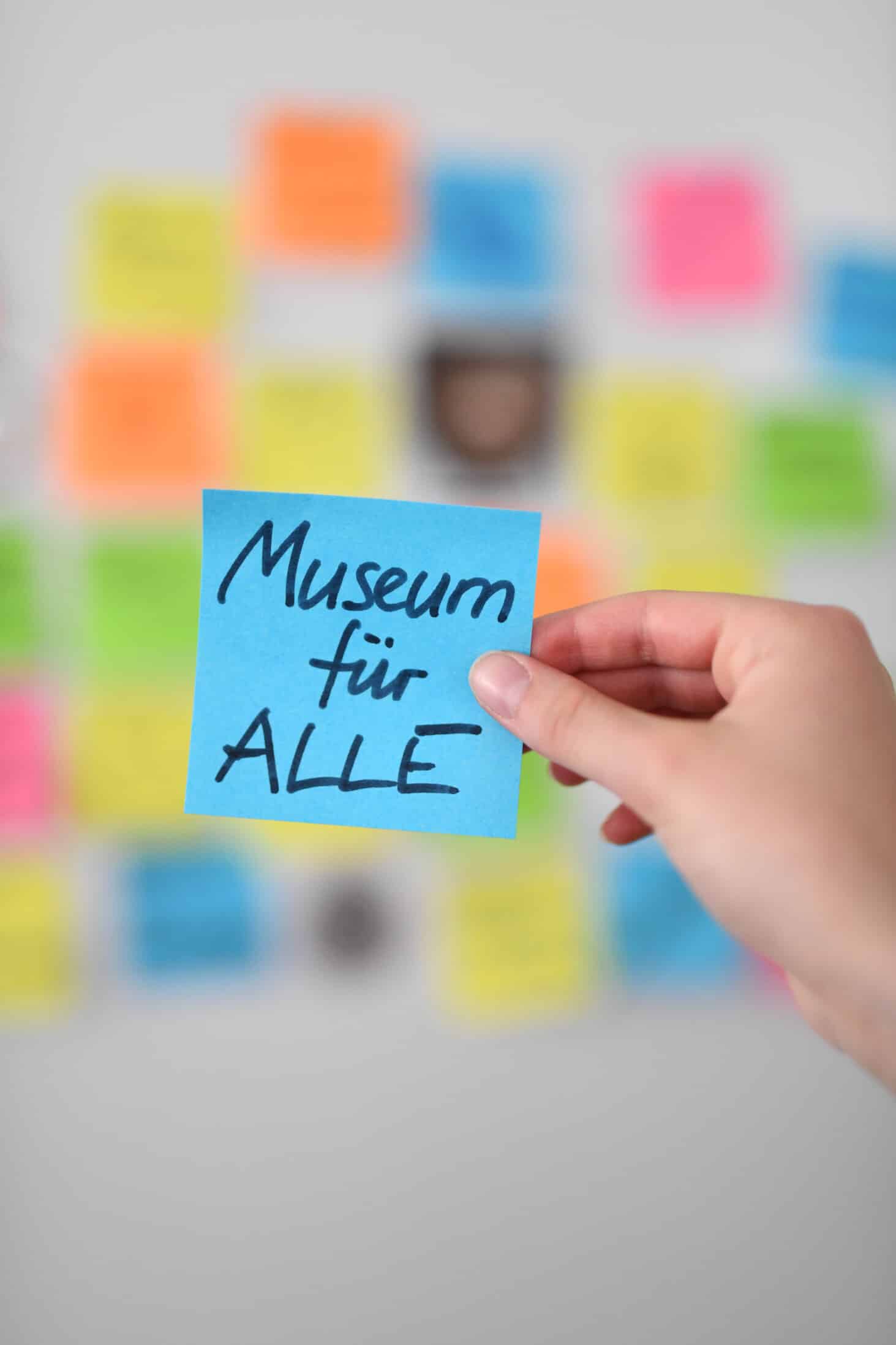
AI pilots at the Badisches Landesmuseum Karlsruhe
Artificial intelligence – AI for short – has long since become an integral part of our everyday lives. We all use it: whether we are talking to Alexa or Siri, having Netflix or TikTok suggest films or videos – we use it constantly, whether consciously or unconsciously. However, the benefits that AI brings can also be used in places that are not automatically associated with new technologies. Museums, for example. Sonja Thiel from the Badisches Landesmuseum spoke to us about the application-based research project “AI Pilots“, in which the AI-supported recommendation and assistance system xCurator is to be developed. The project manager for AI and creative user empowerment explains how artificial intelligence can change museum operations and why this development should ideally take place in consultation with the users.
The AI pilots at the Badisches Landesmuseum Karlsruhe explore how art, museums and artificial intelligence come together in regular online discussion rounds. They discuss current trends, the latest developments and possible applications for access to culture. “How we communicate, work, search for data or content – we live in an algorithmically supported culture. But how do we develop and design these systems? What emotional relationship do we have with digital assistants, what agency do we attribute to them and what influence do we want to give them?” Sonja Thiel wants to find answers to these questions with the participation project.
Deep learning – creating a new perspective with AI
When she talks about AI, this also includes the areas of “machine learning and deep learning”. These are computer science processes in which systems analyze data and environments and can act with a certain degree of autonomy. The applications are particularly well-known in voice assistants, image analysis software, search engines and text recognition, says Thiel. “With all these possibilities, the way we deal with media, technical devices and access to knowledge has been changing rapidly for years.”
She is convinced that museums, like other areas of work and life, will be designed algorithmically in the future. The traditional tasks of museums – collecting, preserving, researching and communicating cultural histories and being a place for reflection and exchange on topics that move us as humans – would be supported by AI. Machine learning and deep leaning could be used to take a fresh look at what already exists. “By reorganizing the archives or exhibits in the collections, AI can also make new connections visible. The AI pilots will also determine what exactly this will look like and what tasks artificial intelligence will take on at the Badisches Landesmuseum and its cooperation partner Allard Pierson Amsterdam in the future,” explains Thiel in the interview.
AI pilots – thinking ahead in the museum landscape
They are part of the“Creative User Empowerment” project of the Badisches Landesmuseum Karlsruhe, which is being carried out in cooperation with Allard Pierson, the museum of the University of Amsterdam. It aims to make digital museum resources accessible in a personalized way using artificial intelligence methods. As part of the project, the AI-supported recommendation and assistance system xCurator is to be developed, which will open up individual access to the digital collections and thus the treasure trove of many stories at both museums. Both museums offer access to 50,000 years of cultural history from the fields of archaeology, art, design, photography and much more. However, the project is primarily aimed at online users, says Thiel.
Specifically, the AI pilots are an application-related research project that actively accompanies the development of xCurator. The group discussions therefore take place at four fixed times, which are repeated at regular intervals. In addition to various thematic inputs, the focus is on specific technical possibilities and limitations and ethical considerations. The discussions thus play a key role in shaping the development of the museum and the digital format. The AI pilots are thus the bridge between the development team and future museum visitors. Thanks to the proximity of the AI pilots to the project, it is possible to respond closely to feedback and make changes to the process. “I think it’s great that the suggestions from our meetings have been incorporated. That is of course an appreciation of our work,” reports one AI pilot.
Museum digital
“Museums are places of encounter. They bring people together to engage in open dialog at eye level – even digitally,” says Thiel. Not only could curation and exhibitions then be thought of differently, museums would also become more accessible and usable for people who are unable or unwilling to physically visit a museum.
“Anyone who wants to get involved can take part in the Digital Museum. Anyone who wants to help shape the AI-supported museum with their ideas and opinions and learn what the technology of the future can do and how it can be shaped,” explains Thiel. It doesn’t matter whether you are an IT hobbyist, a passionate collector, a tech-savvy educator or a regular user of digital collection databases – every single opinion counts and will be heard in the discussion process.
Become an AI pilot and help shape the future
The project is already entering its third round and the AI pilots will come together again at the beginning of September to discuss the digital future of the museum collection at the Badisches Landesmuseum Karlsruhe.
Interested parties can register for the next rounds at creative@landesmuseum.de.
Next dates:
7.9.2022, 7 pm (online)
8.9.2022, 7 pm (online)
Photo: Uli Deck